Aramaic Designssm by RogueLeaf is the world leader in Aramaic translations. Over our years of service, we have helped thousands of individuals with a variety of different projects ranging from tattoos to art pieces, movie scripts, and video games. We are also the only service to offer genuine Galilean Aramaic. In short, we simply have experience that you will not find elsewhere.
First see if we have what you want in our list of translations available for instant download:
(Supporters of AramaicNT.org can suggest new phrases for instant download.)
-
Sale!

Philippians 4:13 (in Galilean Aramaic)
$159.00$50.00 Add to cart -

Christmas 2017 Translations
$200.00 Read More -
Sale!
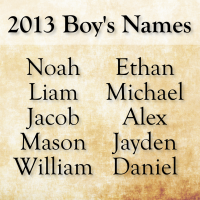
2013’s Most Popular Boy’s Names (in Galilean Aramaic)
$104.00$50.00 Add to cart -
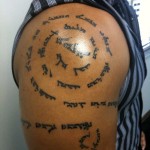
Spiral Lord’s Prayer Digital Tattoo Kit
$75.00 Add to cart -
Sale!

The Gospel of Thomas 77 (in Galilean Aramaic)
$186.00$50.00 Add to cart
Custom Translation Quote:
If you can't find what you're after there, use the form below to request a custom translation:
For Christmas 2017:
We are opening up a limited number of custom translations for the Christmas season 2017. Click here for more details.
NOTE: Otherwise, our normal translation queue is presently closed. At this time,
we are only accepting inquiries for television, movies, video games, and public art installations.
Email in to AramaicDesigns@gmail.com for more information.
|
Proporcionamos a traducciones arameas y a tatuajes arameos.
arameo, tatuaje arameo, tatuajes arameo, & traducción aramea |
Nous fournissons des tatouages araméen et traductions.
arameo, tatuaje arameo, tatuajes arameo, & traducción aramea |
|
Nós fornecemos traduções e tatuagens aramaicos.
aramaico, tatuagem aramaico, tatuagens aramaico, & tradução aramaico |
Wir bieten aramäischen Übersetzungen und Tätowierungen.
Aramäisch, Aramäisch Tattoo, Aramäisch Tätowierungen, & Aramäischen Übersetzung |
|
Vi tillhandahåller arameiska översättningar och tatueringar.
Arameiska, Arameiska tatuering, Arameiska tatueringar, & arameiska översättning |
Ons voorsien Aramese vertalings en tatoeëermerke.
Aramees, aramees tatoeëermerk, aramees tatoeërmerke, & aramees vertaal |
|
Tarjoamme arameaa käännökset ja tatuointeja.
aramea, aramea tatuoinnilla, arameankielellä tatuoinnit, & Aramea käännös |
Παρέχουμε Αραμαϊκά μεταφράσεις και τατουάζ.
Αραμαϊκά, Αραμαϊκά τατουάζ, και Αραμαϊκή μετάφραση |
|
Forniamo traduzioni in aramaico e tatuaggi.
Aramaico, Aramaic tattoo, Aramaico tatuaggi, & Aramaico traduzione |
Oferujemy tłumaczenia aramejskiego i tatuaże.
Aramejski, Tatuaż aramejski, Tatuaże aramejski, & Tłumaczenia aramejskiego |
|
Nyújtunk arameus fordítások és tetoválásokat.
Arámi, Arámi tetoválás, & Arameus fordítás |
Мы предоставляем арамейском переводах и татуировками.
арамейский, арамейский татуировка, арамейский татуировки, и арамейский перевода |
|
我们提供亚拉姆语翻译和纹身。
阿拉米文, 亚拉姆语纹身, 亚拉姆语翻译 |
私たちはアラム語の翻訳と入れ墨を提供します。
アラム語, アラム語の入れ墨, アラム語のタトゥー, アラム語翻訳 |
|
우리는 아람어 번역과 문신을 제공합니다.
아람어, 아람어 문신, 아람어 번역 |
Vi gir Aramaic oversettelser og tatoveringer.
Arameisk, Arameisk tatovering, Arameisk tatoveringer, & Arameisk oversettelse |
|
हम अरामी अनुवाद और टैटू प्रदान करते हैं.
अरामी, अरामी टैटू, अरामी अनुवाद |
We offer Aramaic translations and Aramaic tattoos.
Feel free to direct any questions to Customer Service. |